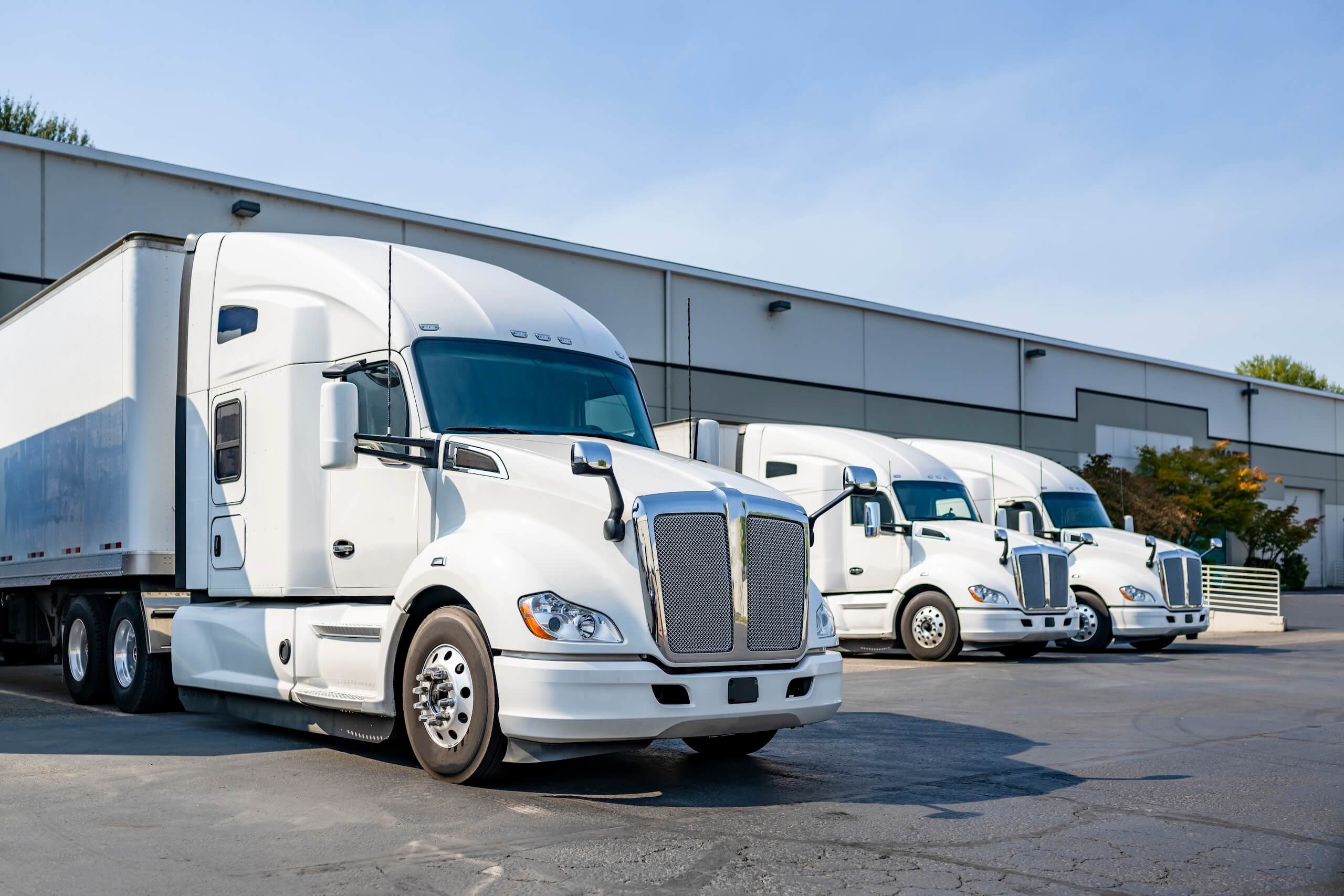
When a commercial truck is out of service due to an accident, owners and operators may face significant financial losses. The inability to operate a vehicle results in lost revenue, ongoing expenses, and potential lost jobs or contracts. To recover these losses, trucking companies file loss of use claims, which seek compensation for the earnings they would have generated had the truck remained in operation. Forensic accountants can assist in these claims by accurately calculating the lost earnings based on financial records, operational data, and market trends. Their expertise ensures that businesses receive fair compensation for their losses. By examining settlement statements, analyzing alternative revenue sources, and considering seasonal factors, forensic accountants provide a comprehensive assessment of lost earnings.
The Importance of Settlement Statements in Lost Earnings Calculations
Settlement statements serve as key financial records in trucking operations. These documents detail the revenue generated by a truck, breaking down various charges, deductions, and expenses. Forensic accountants rely heavily on these statements when calculating lost earnings because they provide an accurate historical record of a truck's financial performance.
A settlement statement typically includes:
- Freight charges
- Fuel surcharges
- Accessorial fees (detention time, layover pay, etc.)
- Deductions for insurance, fuel, and maintenance
Net earnings to the owner-operator or trucking company
By analyzing multiple settlement statements before the accident, forensic accountants establish an average revenue per mile, per load, or per day. This baseline allows them to project the earnings lost during the downtime.
Additionally, forensic accountants may compare settlement statements from similar trucks in the fleet or from industry standards to further validate their calculations. If the truck was under a dedicated contract, the lost earnings might be even easier to calculate, as fixed weekly or monthly payments can be directly referenced.
Considering Alternative Revenue Sources and Mitigation Efforts
Trucking businesses often attempt to mitigate their financial losses by utilizing alternative vehicles to cover routes that would have been serviced by the disabled truck. This mitigation effort is taken into account when calculating lost earnings.
Forensic accountants assess whether:
- The company had spare trucks available to replace the disabled unit.
- The company leased or rented another vehicle to maintain operations.
- Another driver or subcontractor took over the missing routes.
If a replacement vehicle was used, forensic accountants analyze whether it fully or partially offset the lost earnings. In cases where an alternative vehicle generated revenue, the loss amount may be reduced accordingly. However, if the company could not secure a replacement, the full projected loss is typically claimed.
In some cases, the mitigation process itself incurs additional costs, such as rental fees for a substitute truck or the need to pay another carrier to take over a route. Forensic accountants ensure that these costs are factored into the overall claim estimate, ensuring that trucking companies receive fair compensation for their additional expenses.
Understanding Payouts and Insurance Considerations
Insurance policies play a crucial role in loss of use claims, but the coverage varies significantly depending on the policy details. Some policies may offer compensation for:
- Daily loss of income based on historical earnings.
- Rental reimbursement for a substitute vehicle.
- Partial payments that account for fixed expenses but not full revenue replacement.
Forensic accountants examine the insurance policy terms and conditions to determine the extent of coverage. They also verify whether the insurer has fairly assessed the claim and compensated for the downtime based on actual earnings and industry standards.
A common dispute in these claims arises when insurance companies offer payouts based on general estimates rather than actual financial data. Forensic accountants counter these disputes with detailed financial analysis, ensuring that the settlement accurately reflects the lost revenue.
Impact of Seasonal Factors and Market Conditions
The trucking industry experiences significant fluctuations in demand due to seasonal factors, economic conditions, and industry trends. A truck that is out of service during peak season will suffer greater financial losses than one that is down during a slower period.
Forensic accountants take these fluctuations into account by analyzing:
- Historical revenue trends for the specific truck or fleet.
- Industry-wide freight demand during the downtime period.
- Market rates at the time of the loss.
For example, a truck hauling agricultural products may generate significantly higher revenue during harvest season than in the winter months. Similarly, trucking companies transporting holiday-related goods experience an increase in earnings from October to December. If a loss of use claim arises during these high-revenue periods, forensic accountants will adjust their calculations to reflect the seasonal impact.
Market conditions also play a role in revenue potential. For instance, during periods of high fuel costs, profit margins may be affected. Conversely, a shortage of available trucks due to industry-wide disruptions can drive up freight rates, increasing the lost earnings. By considering these variables, forensic accountants ensure that the calculated losses are as accurate and fair as possible.
Fixed and Variable Costs in Lost Earnings Calculations
Forensic accountants also differentiate between fixed and variable costs when calculating lost earnings.
- Fixed costs: These are expenses that continue even when the truck is out of service, such as loan payments, insurance premiums, and licenses/permits. These costs are still incurred by the trucking company, even though no revenue is being generated.
- Variable costs: These include fuel, maintenance, and tolls, which may decrease or stop entirely when a truck is not operating.
In loss of use claims, forensic accountants focus on net lost earnings—revenues that would have been generated minus variable costs that were temporarily discontinued. This provides a realistic and justifiable calculation for the claim.
Legal and Documentation Requirements
To support a loss of use claim, trucking companies must provide extensive documentation. Forensic accountants work closely with attorneys, insurance adjusters, and business owners to gather and analyze:
- Settlement statements from before and after the loss.
- Trucking contracts and rate agreements.
- Tax returns and profit-and-loss statements.
- Fleet utilization reports.
The stronger the documentation, the more defensible the claim becomes. Forensic accountants ensure that all calculations are backed by reliable data, reducing the likelihood of disputes from insurers or opposing parties.
Conclusion
Forensic accountants play a vital role in calculating lost earnings in loss of use trucking claims. Their expertise ensures that trucking businesses receive fair compensation for revenue lost due to unexpected vehicle downtime. By carefully analyzing settlement statements, assessing alternative revenue sources, and considering seasonal and market conditions, forensic accountants provide a detailed and justified loss calculation.
With their financial insights, trucking companies can strengthen their claims and secure the compensation necessary to offset the financial impact of downtime. Whether dealing with insurance negotiations or legal proceedings, forensic accountants provide essential support in ensuring a fair resolution to loss of use disputes.